
The Advantages and Limitations of Live Dealer Casino Games
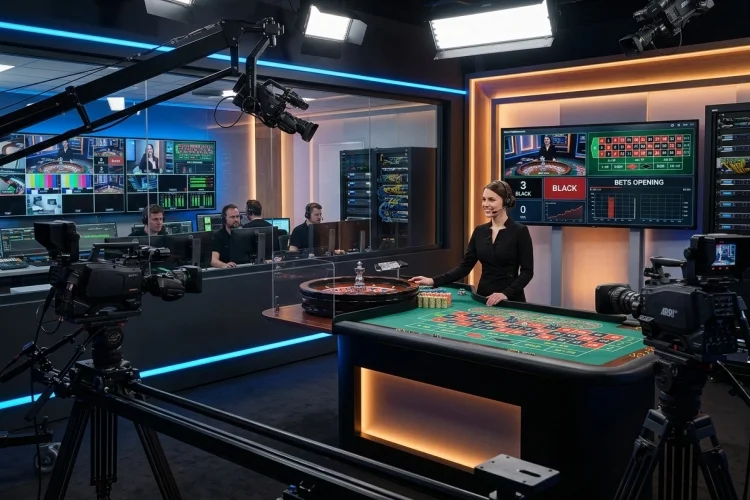
Live casino technology allows players to place digital wagers on games conducted by real presenters. Cameras transmit the dealer and physical equipment, while the interface records bets, displays results, and updates account balances.
This combination creates an experience that is more human than a standard digital casino game but more accessible than visiting a physical venue.
Players can watch a roulette wheel, follow cards as they are dealt, communicate through chat, and access game statistics without leaving home. The technology is sophisticated, yet it cannot eliminate every inconvenience.
Video latency, device requirements, disconnections, scheduled table hours, and human procedures can influence the experience. A professional-looking broadcast also does not automatically prove that the casino is licensed or that its rules are favorable.
Examining the advantages and limitations of live dealer games from a technical perspective helps users understand what happens behind the interface and what they should check before wagering.
How Live Casino Streaming Works
A live studio combines physical gaming equipment with cameras, microphones, control software, and servers. The dealer conducts the game while the system translates events into information that can be displayed on the player’s screen.
For example, card-scanning equipment may register cards as they leave the shoe, while roulette systems record the winning pocket. The platform then settles accepted wagers according to the game rules.
GLI standards recommend real-time audiovisual access, secure equipment, recorded results, and procedures that prevent anyone from seeing an outcome before wagering is finalized.
Advantage: High-Quality Visual Presentation
Modern studios can present tables through several cameras, allowing close-up views of cards, wheels, presenters, and result areas. This can make the procedure easier to follow than a single camera positioned far from the action.
Pragmatic Play states that its platform uses high-quality broadcasting, multiple 4K cameras, HTML5 delivery, and low-latency streaming technology.
Dedicated environments can also use physical sets, three-dimensional backgrounds, or chroma-key technology. Evolution describes multi-camera roulette tables using three or more HD cameras with configurable angles and sequences.
Advantage: Human Presentation Without Travel
A trained dealer can give each round a clear beginning and ending. The presenter handles equipment, announces results, and may acknowledge player messages.
This provides some of the atmosphere of a casino table without transportation, accommodation, dress requirements, or venue opening hours. Selected online tables operate continuously and can be accessed through mobile or desktop devices.
However, the experience is still remote. Players interact through an interface and chat box rather than having a full face-to-face conversation.
Advantage: Game History and Interface Assistance
Online live tables can combine physical play with digital support tools. A screen may display recent results, previous wagers, account balance, permitted betting options, and the remaining time before bets close.
ONE Blackjack includes detailed player history, statistics showing popular decisions, auto-stand functionality, and communication with hosts and support.
These features can make complex betting layouts easier to navigate. They should not be treated as predictive tools, because previous results or majority decisions do not determine the next random outcome.
Advantage: Recorded Games and Complaint Review
Live games can be recorded for security, auditing, and dispute resolution. This creates a documented record when a card is dropped, a roulette spin is disputed, or a connection problem affects a wager.
GLI recommends continuous recording with enough detail to reconstruct rounds, verify procedures, and support operator or regulatory review of complaints.
The UK Gambling Commission similarly requires supervised studios, video surveillance, trained croupiers, and game logs for licensed operations.
Limitation: Latency Between the Studio and Device
Latency is the time required for the studio’s action to reach the player’s screen. Providers work to reduce it, but some delay remains because video and betting information must travel through several networks.
Pragmatic Play advertises glass-to-glass latency as low as approximately 1.5-2 seconds under suitable conditions. The actual experience can still vary with the user’s internet service, location, network traffic, and device.
A small delay may not matter during normal viewing. It becomes more noticeable near the end of a betting window, when a late input may reach the server after wagers have closed.
Limitation: Disconnections Can Interrupt Decisions
An automated game can often pause when a device temporarily loses connection. A live table may continue because the dealer is conducting the same round for many participants.
If a connection fails after a wager has been accepted, the game may be settled without the player watching the result live. In decision-based games such as blackjack, the platform may apply an automatic action according to its published disconnection policy.
Technical standards recommend clear procedures for stream interruptions, accepted or rejected bets, and account updates. They also state that minimum connection requirements should be disclosed.
Limitation: Human Pace and Operational Pauses
Dealers require time to accept bets, distribute cards, spin wheels, collect equipment, verify outcomes, and prepare the next round. Shuffling, dealer changes, inspections, and technical checks can add further pauses.
Speed products reduce these delays, but they remain structured live rounds. Speed Roulette, for example, is advertised with an average round of around 25 seconds.
Human pace may be an advantage for thoughtful play, but it can frustrate users who expect immediate digital results. It can also encourage multitabling, which may make spending harder to track.
Limitation: Studios and Tables Are Not Universally Available
A game provider may operate across several markets, but each operator can offer only the tables permitted by its licences, technical integration, and local rules.
Regulation differs between countries and regions. Evolution notes that online and land-based gaming may be treated differently and that market-specific licences or approvals can apply.
Players should verify the gambling website rather than relying only on the studio brand. In Great Britain, licensed businesses can be checked through the Gambling Commission’s public register.
Choosing a Reliable Live Table
Begin by confirming the operator’s licence and reviewing the table rules. Check the blackjack payout, roulette format, side-bet conditions, minimum and maximum stakes, and procedure for interrupted games.
Test the stream at the lowest comfortable stake or in demonstration mode where available. Use a stable connection and avoid placing last-second bets.
The interface should clearly display the amount being wagered. UK technical standards require remote systems to provide clear information about money converted into chips, credits, or other wagering units.
Live dealer technology combines real equipment and trained presenters with online betting interfaces, high-definition video, histories, statistics, and recorded game data.
Its greatest advantages are atmosphere, visibility, accessibility, and the possibility of reviewing disputed rounds.
The main limitations come from latency, interrupted connections, human pace, fixed betting periods, operational pauses, and jurisdictional restrictions. A smooth video feed cannot replace licensing or careful rule comparison.
Before playing, verify the operator, read its disconnection policy, confirm the complete stake, and use a stable device and network. Set both a financial limit and a session timer so that technological convenience does not lead to uncontrolled spending.